UL Logo
Proudly Voted #1 City Club in the Country 2012 • 2014 • 2016 • 2018 • 2020 • 2022 • 2024

America250 American Flag Backdrop


Christ Church Thumbnail
Christ Church
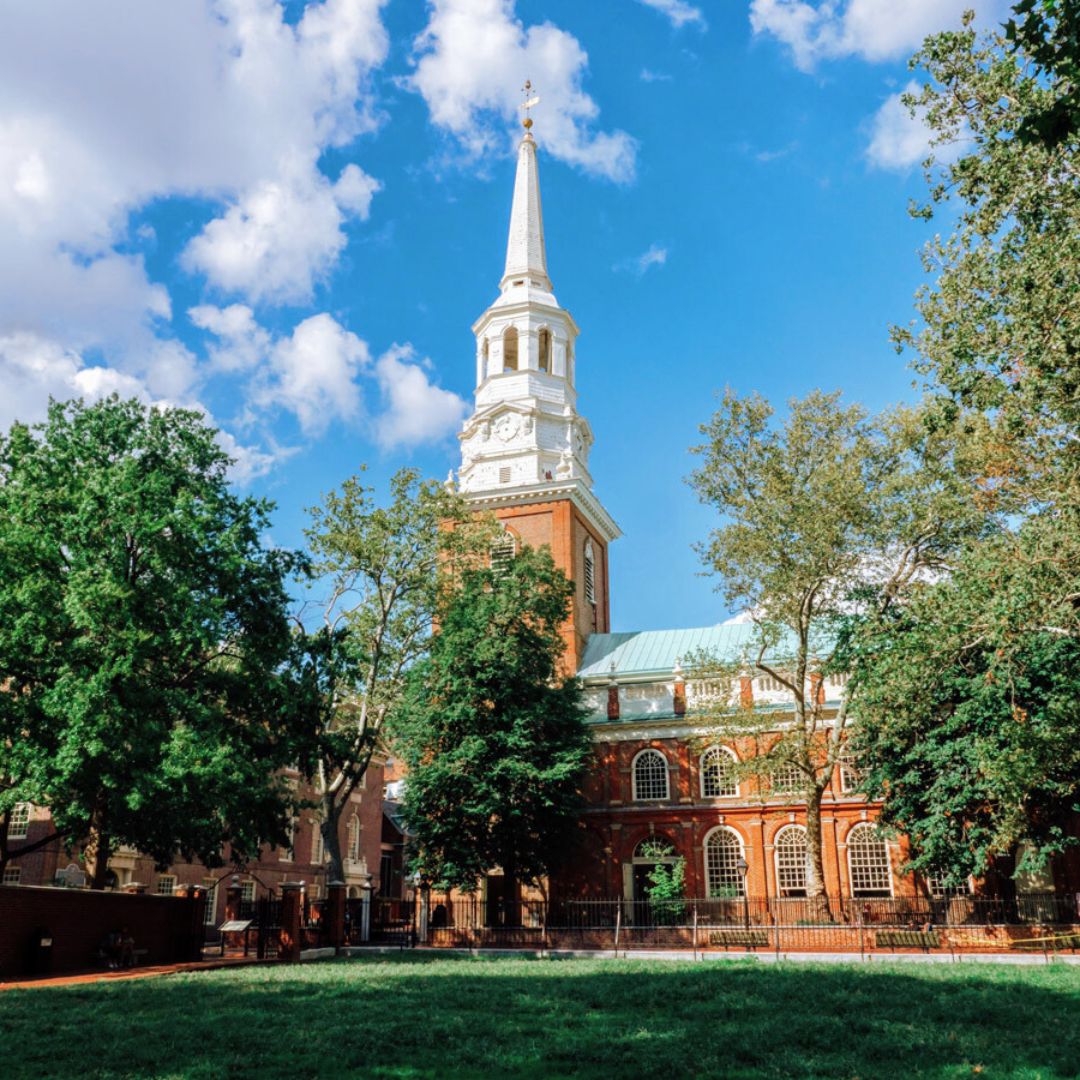
Christ Church, once a shared place of worship for the nation’s founders, became a mirror of a country splitting apart over slavery and secession. Standing beside the Butler family tomb reveals how far some Americans drifted from the principles proclaimed in 1776, and how deeply those divisions ran.


MAP
Banks Thumbnail
Banks
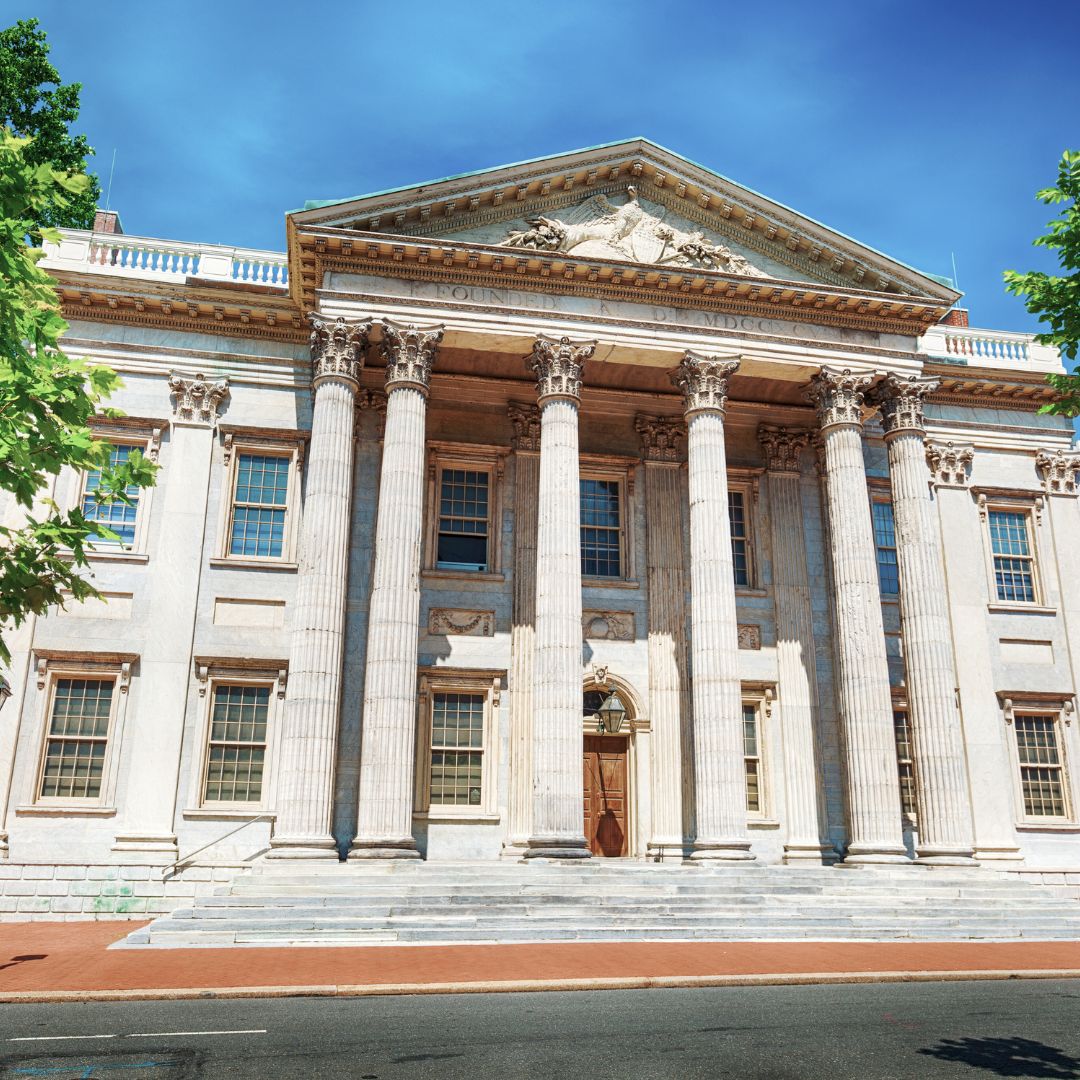
Philadelphia played a decisive role in funding the Union war effort through three powerful bankers and founding members of the Union League: Anthony J. Drexel, Clarence W. Clark, and Jay Cooke. Their banks and bond campaigns raised more than a billion dollars for Abraham Lincoln, helping turn the founders’ fragile financial system into one capable of sustaining a modern war.


MAP
Newspapers Thumbnail
Newspapers
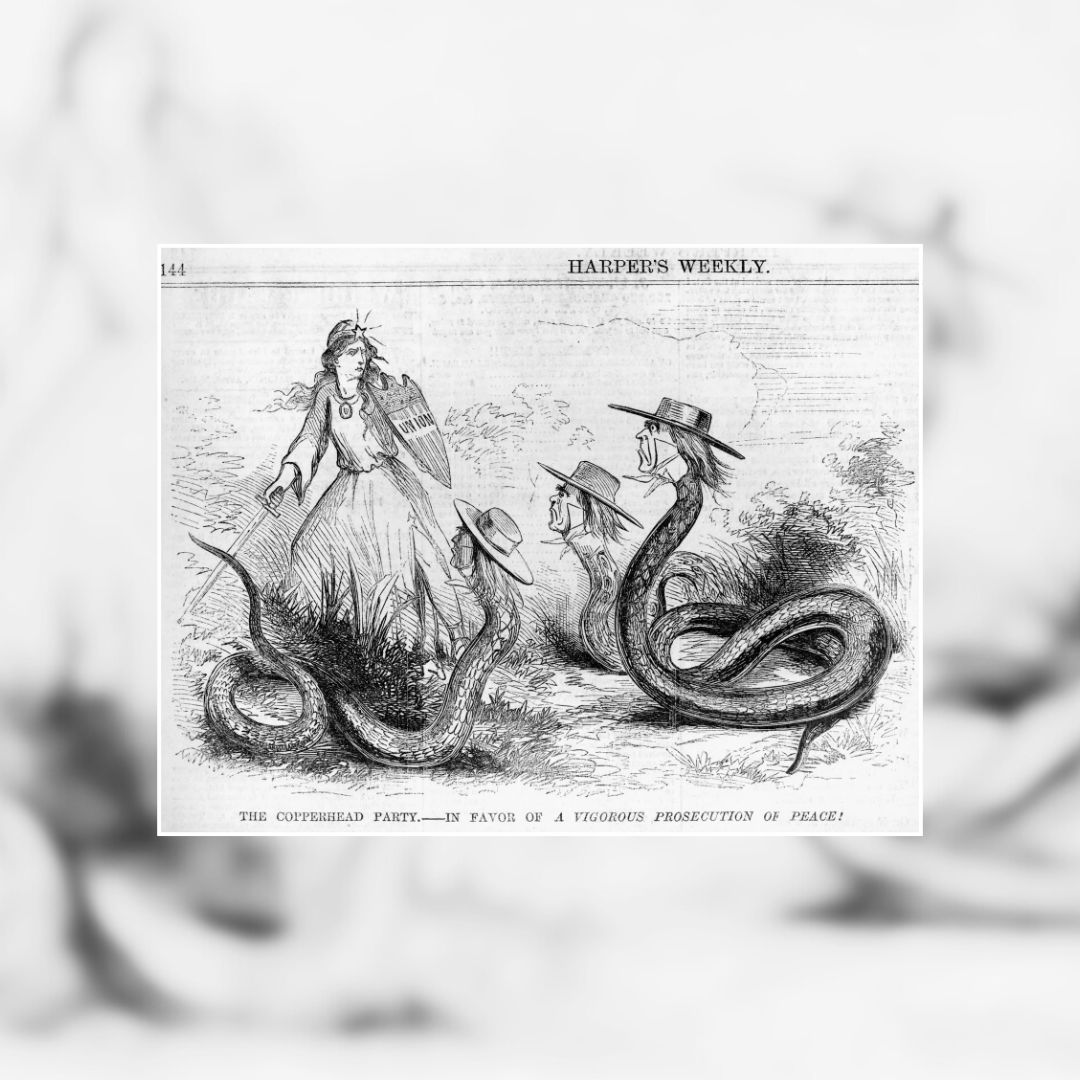
Philadelphia’s Civil War–era newspapers were openly partisan, tied to political parties and sectional loyalties. This episode shows how freedom of the press, a founding principle, was used to inflame division, spread pro-slavery rhetoric, and even target Union League members by name.


MAP
Pennsylvania Railroad Corporate Headquarters Thumbnail
Pennsylvania Railroad Corporate Headquarters
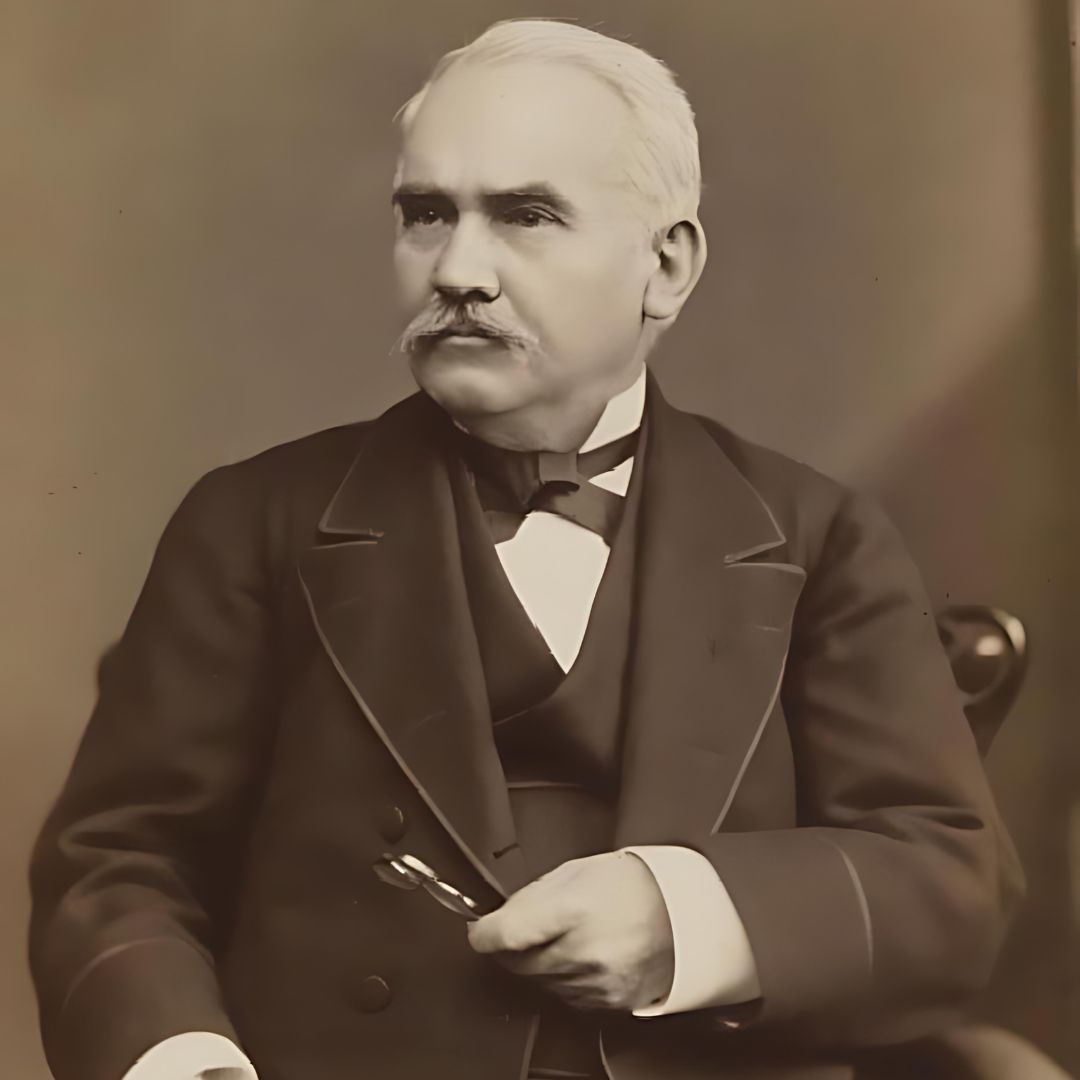
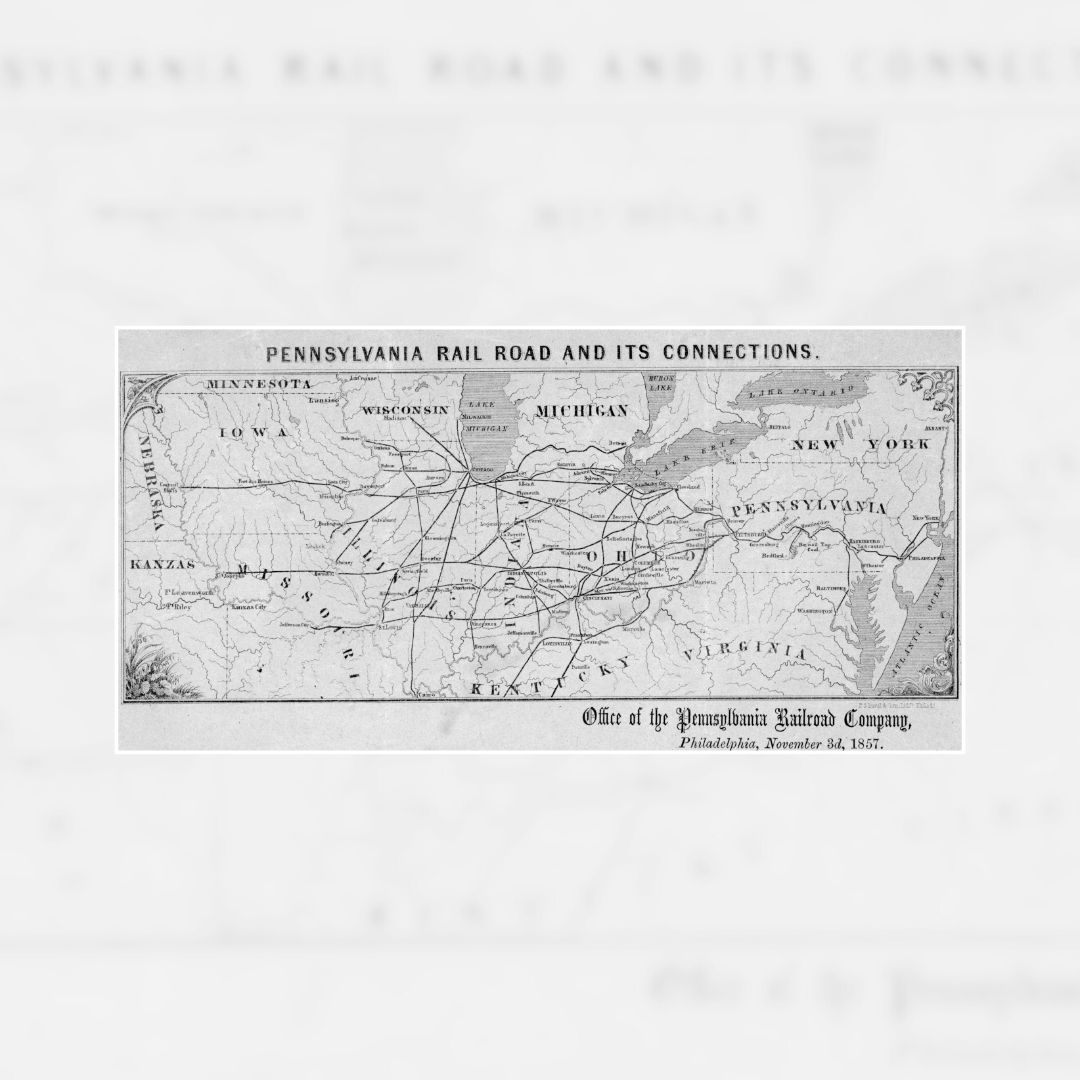
Philadelphia’s Pennsylvania Railroad transformed the Civil War by enabling the rapid movement of troops and supplies across vast distances. Union League members like John Edgar Thomson and military rail leaders such as Tom Scott made modern warfare possible through unprecedented logistical coordination.


MAP
Benjamin Gerhard Home Thumbnail
Benjamin Gerhard Home
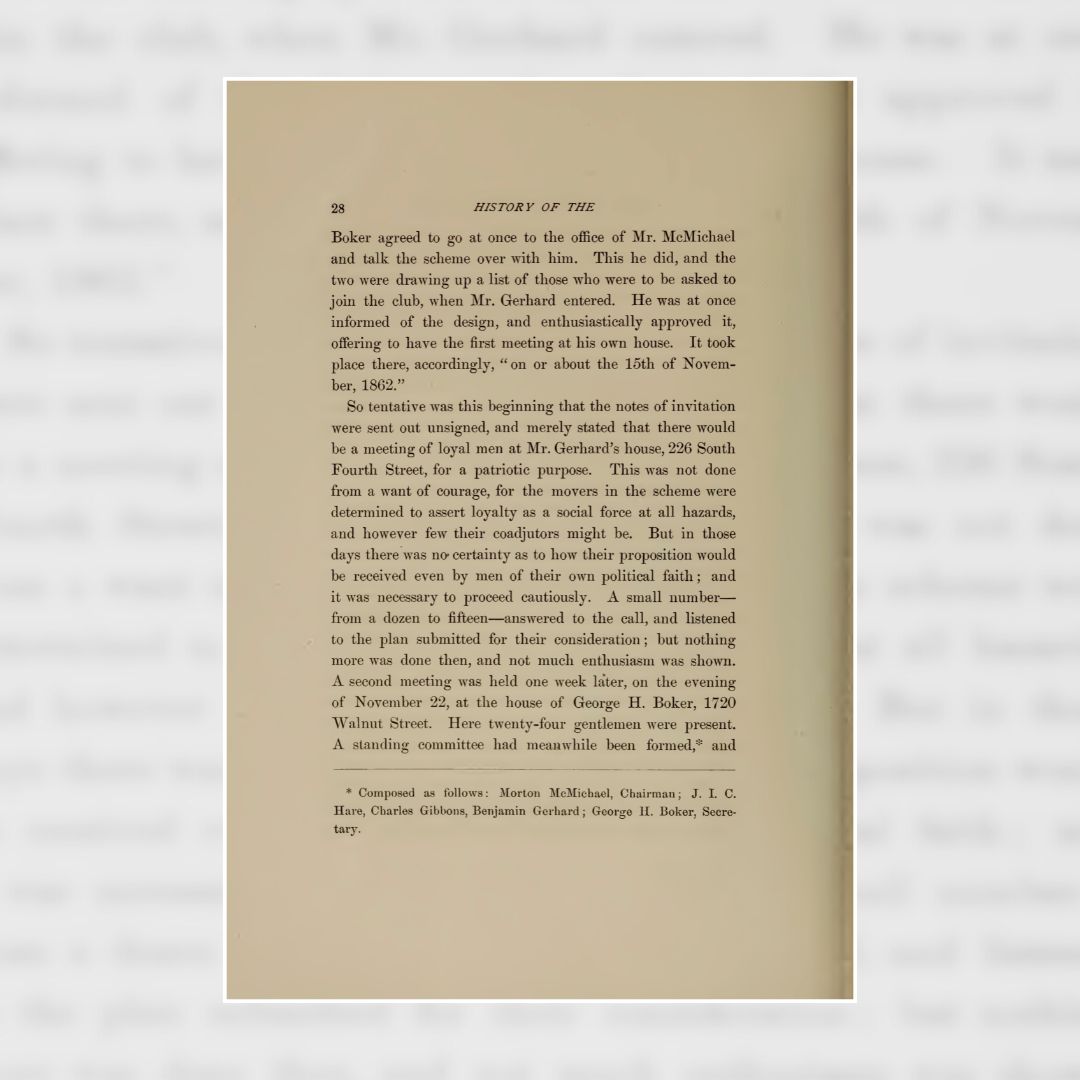
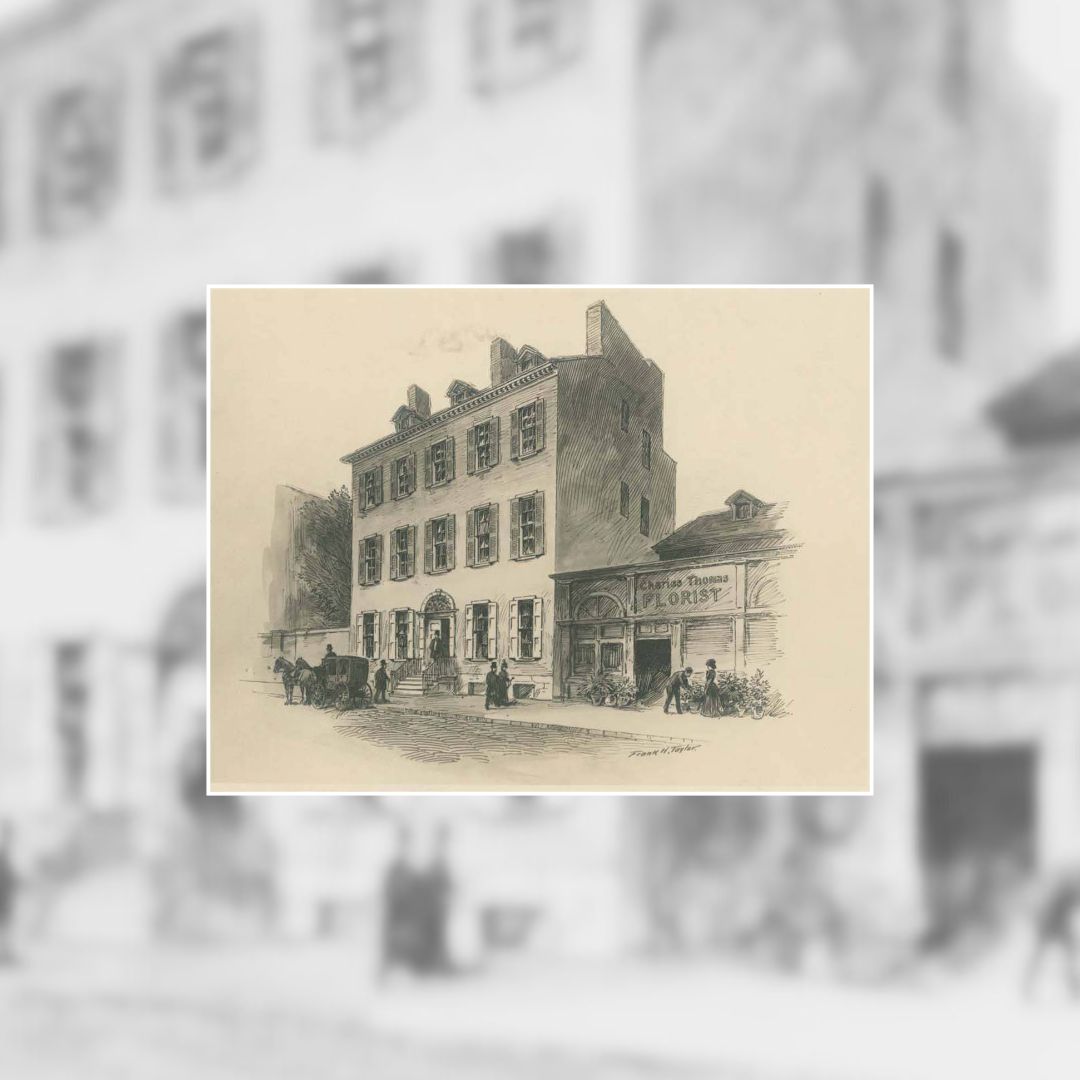
Standing outside the home of Benjamin Gerhard, this stop tells the story of a quiet but pivotal meeting that helped shape the nation’s future. In November 1862, sixteen Philadelphians gathered here to confront a city divided by war, planting the seeds of what would become the Union League of Philadelphia and a national movement dedicated to defending the ideals of 1776.


MAP
Independence Hall Thumbnail
Independence Hall
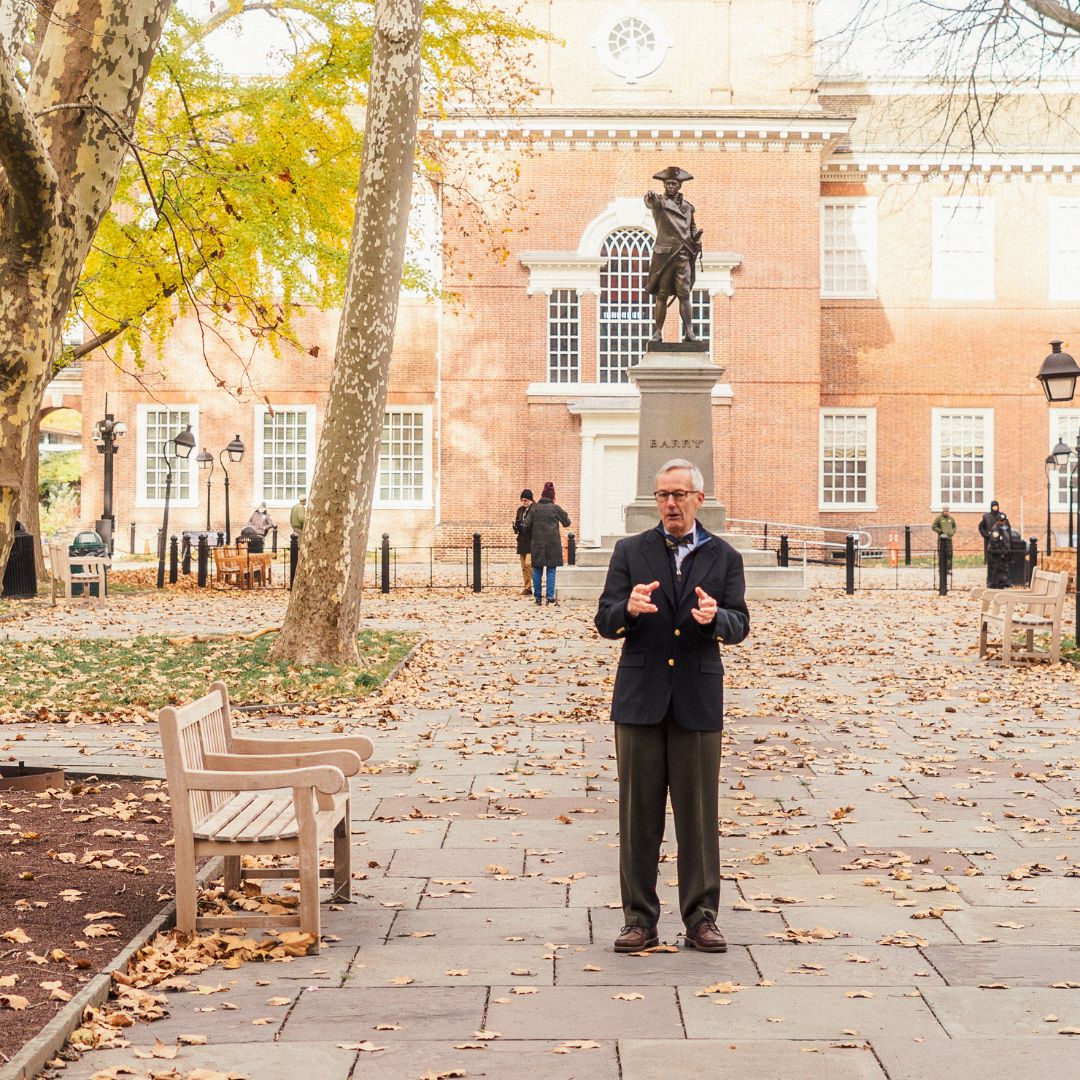
Standing on Walnut Street, you are facing the south side of Independence Hall, its stone façade catching the light and shadow of the city around it. In February 1861, Abraham Lincoln stopped here on his way to Washington and spoke about the principles of the Declaration of Independence; four years later, the same building became a place of mourning, as his body lay in state inside and long lines of Philadelphians passed through, received by members of the Union League on behalf of the city.


MAP
Central Democratic Club Thumbnail
Central Democratic Club
Still on Walnut Street, turn and face the south side, where a solid limestone building stands at what was once 524 Walnut Street. In 1863, this was the meeting place of the Central Democratic Club, formed in direct opposition to the newly founded Union League. Inside, speeches defended slavery, rejected the war, and called for submission to the Confederacy, revealing just how sharply divided Philadelphia had become and how close the fight over the nation’s future came to home.


MAP
Hospitals Thumbnail
Hospitals
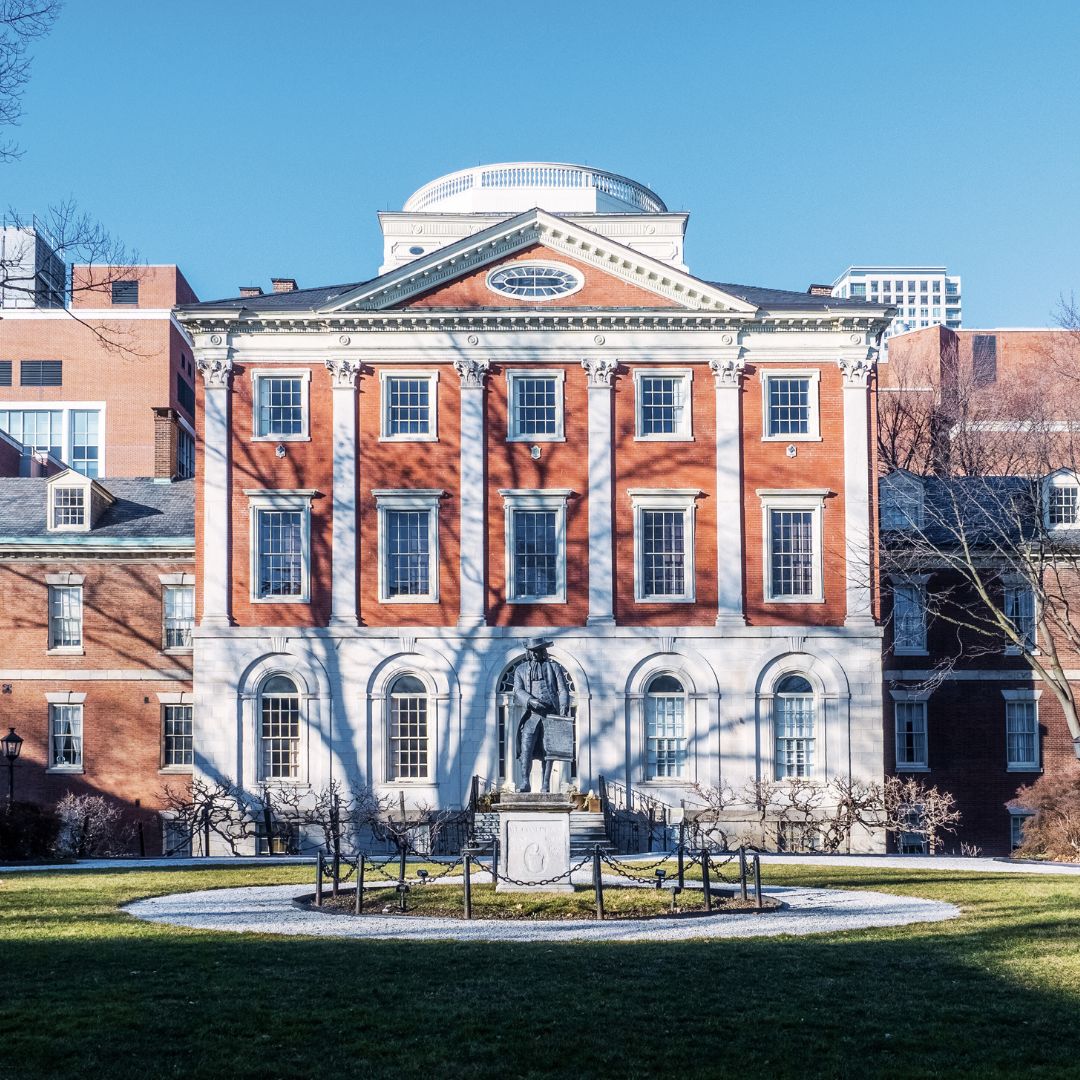
Standing on Pine Street between Eighth and Ninth, you are facing the front of Pennsylvania Hospital, the nation’s first hospital, founded by Benjamin Franklin in 1751. During the Civil War, this building was part of a much larger medical landscape that made Philadelphia a center for care and innovation, with soldiers arriving by rail from the battlefield and filling hospitals across the city. From massive military hospitals treating tens of thousands of wounded, to smaller facilities where doctors pioneered new approaches to surgery and trauma, Philadelphia became a place where lives were saved, medicine advanced, and the human cost of the war was confronted every day.


MAP
Carolina Row Thumbnail
Carolina Row
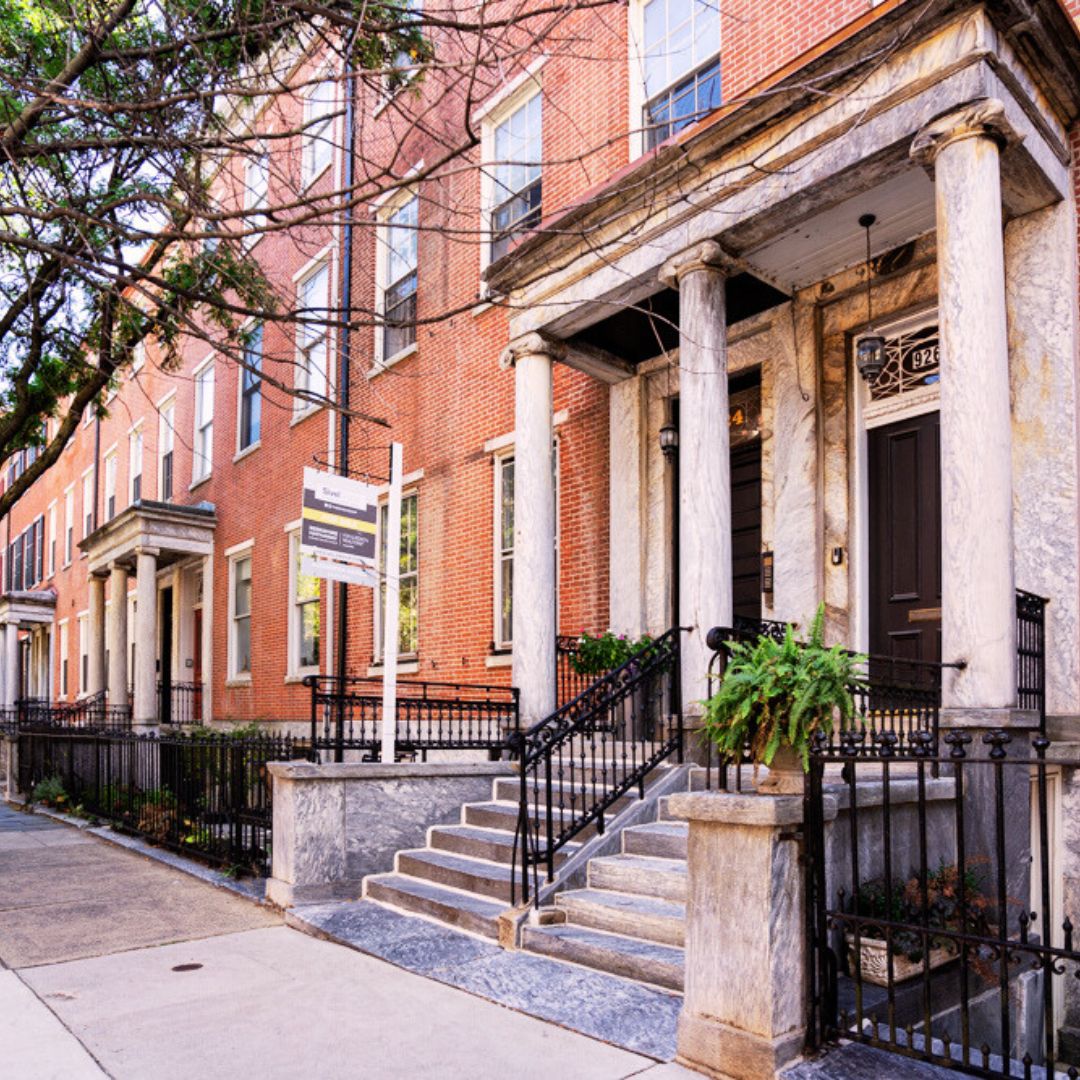
Standing at Ninth and Spruce Streets, look west down the block and you’ll see a row of houses that appears, at first glance, entirely typical of nineteenth-century Philadelphia. But beginning in the early 1800s, Southern families, including widows and former plantation households from the Carolinas, settled here, drawn by the city’s culture, education, and opportunity. By the time of the Civil War, this stretch of Spruce Street had become known as Carolina Row, a quiet reminder that Philadelphia itself had become a place where North and South lived side by side.


MAP
First Union League Thumbnail
First Union League
At 1118 Chestnut Street, the Union League opened its first clubhouse in 1863 and quickly became a center of pro-Union leadership in Philadelphia. From hosting speakers like Frederick Douglass and Octavius Catto to raising thousands of soldiers, publishing millions of pamphlets, and supporting soldiers’ families, the building became both a symbol of patriotic resolve and a target of deep division during the Civil War.


MAP
Supervisory Committee Thumbnail
Supervisory Committee
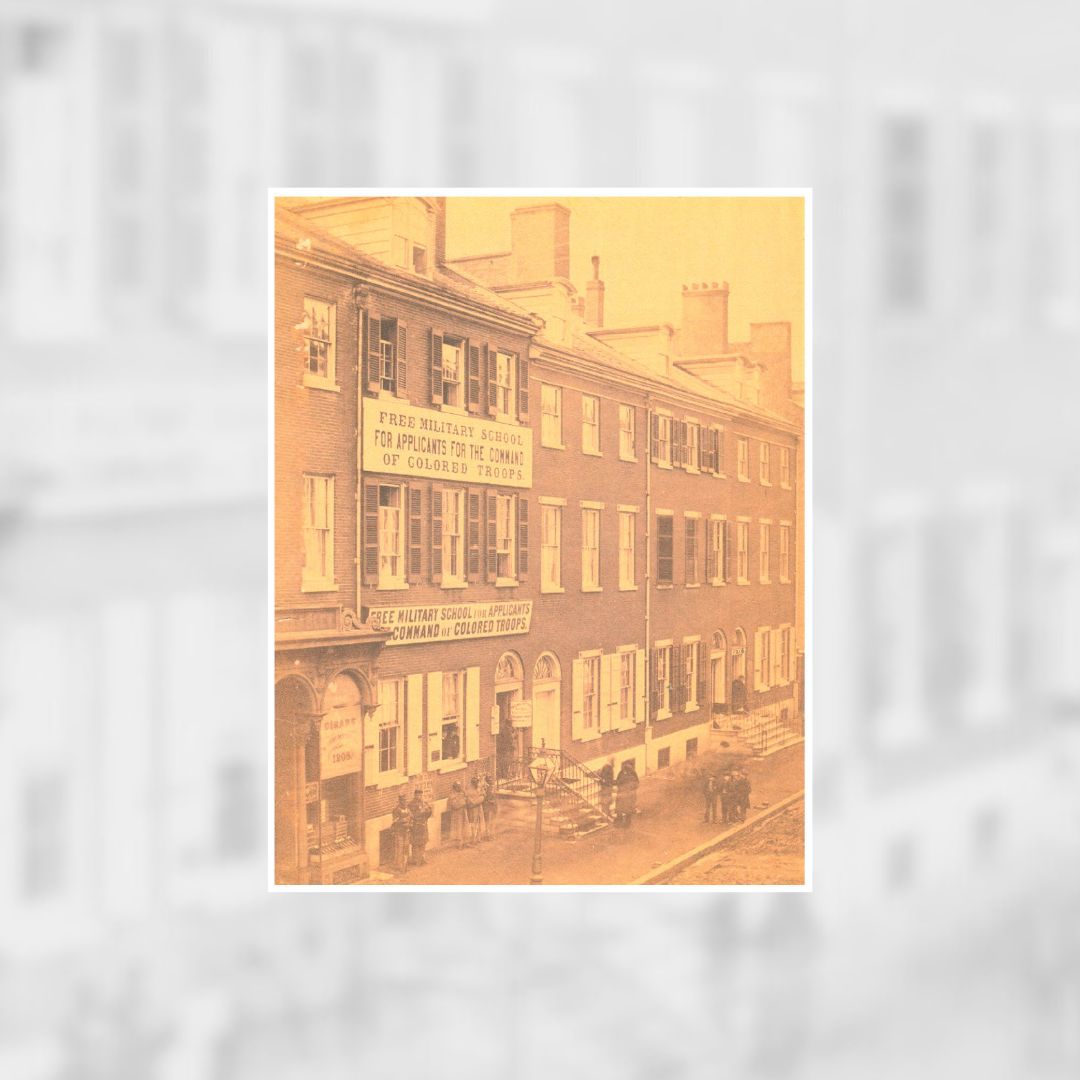
In 1863, after the creation of the Bureau of Colored Troops, Union League members formed the Supervisory Committee for the Enlistment of Colored Troops to recruit, fund, and organize Black regiments for the Union Army. From establishing Camp William Penn to creating a Free Military School to train officers, the committee oversaw the raising of eleven regiments whose service and heroism, including fourteen Medals of Honor at New Market Heights, helped redefine military leadership and citizenship during the Civil War.


MAP
Union League, Concert Hall, and National Hall Thumbnail
Union League, Concert Hall, and National Hall
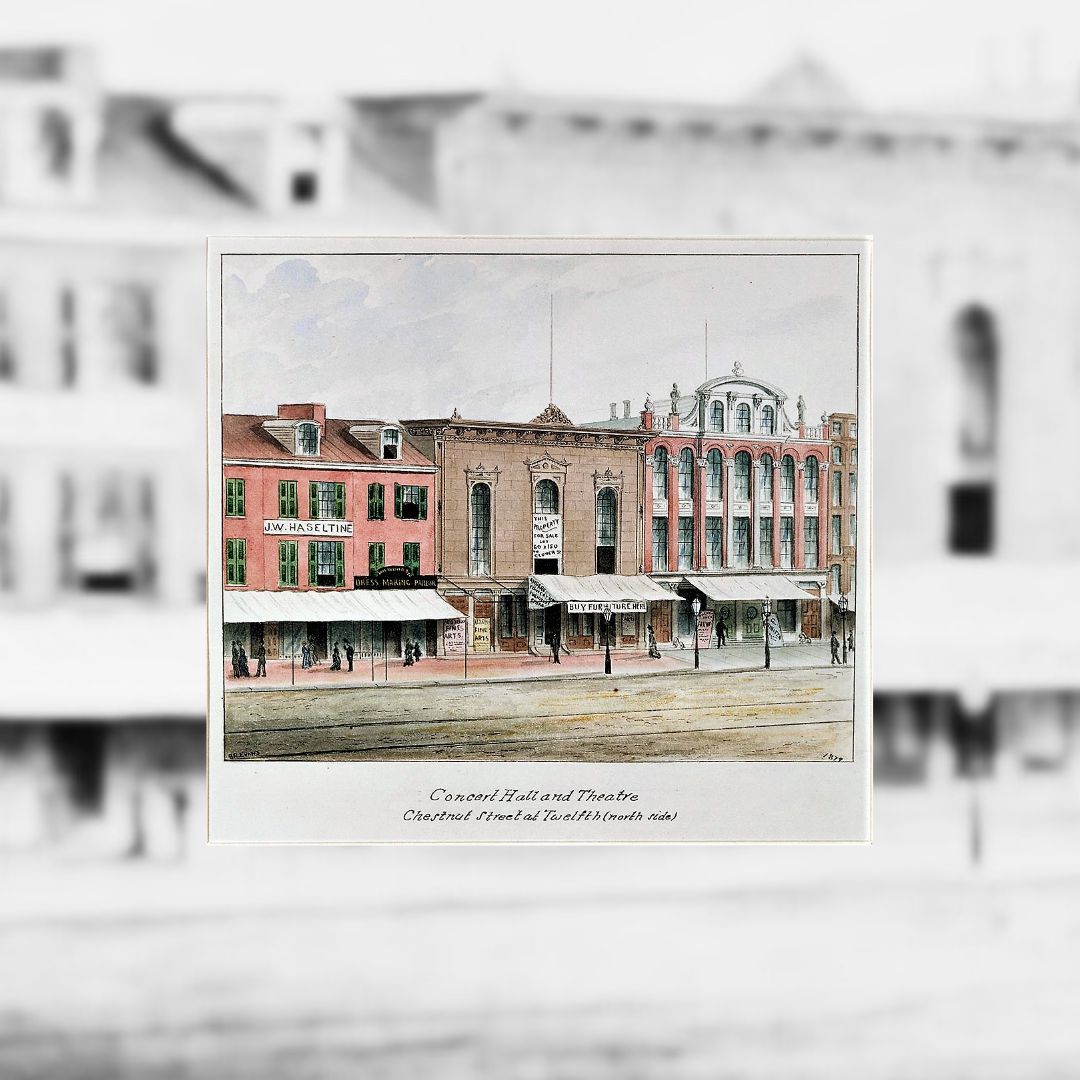
As the Union League prepared to move into its clubhouse at 140 South Broad Street in 1864, it temporarily expanded across Chestnut and Market Streets, using Concert Hall and National Hall to host major public meetings during the war. Most notably, a July 1864 rally featuring Frederick Douglass called Black men to enlist in the Union Army, marking a powerful and unprecedented moment in Philadelphia when men and women, Black and white, gathered together in support of freedom and citizenship.


MAP
City Hall and Catto Memorial Thumbnail
City Hall and Catto Memorial
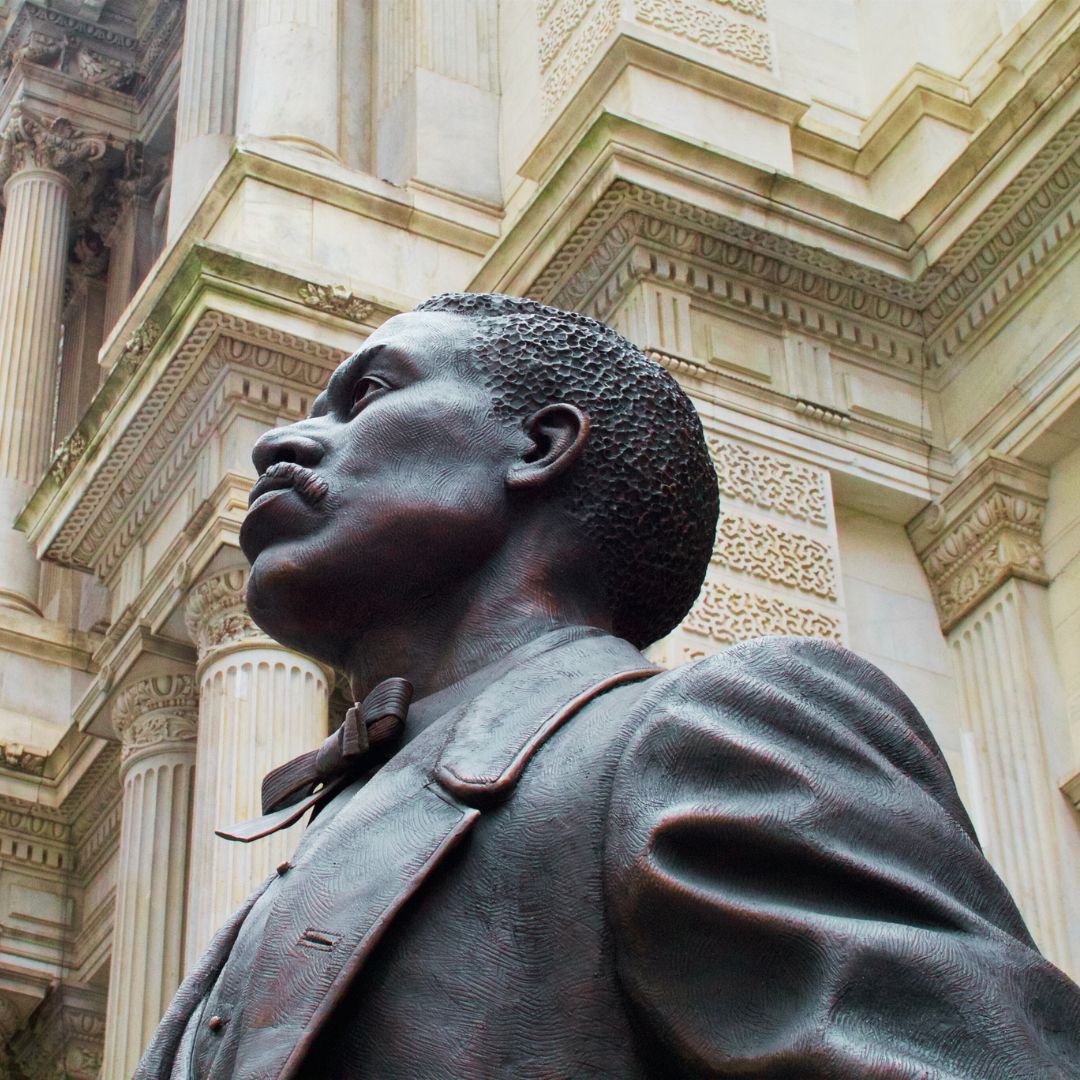
At the memorial on the south side of City Hall, we see Octavius Valentine Catto, one of Philadelphia’s most prominent Black leaders, was an educator, abolitionist, and tireless advocate for Black enlistment and civil rights who worked closely with the Union League during and after the Civil War. After helping raise Black troops and champion voting rights under the 15th Amendment, Catto was assassinated on Election Day in 1871 while encouraging Black citizens to vote, and his funeral, organized in large part by the Union League, became one of the largest public gatherings in the city since Abraham Lincoln’s.


MAP
Great Central Fair Thumbnail
Great Central Fair
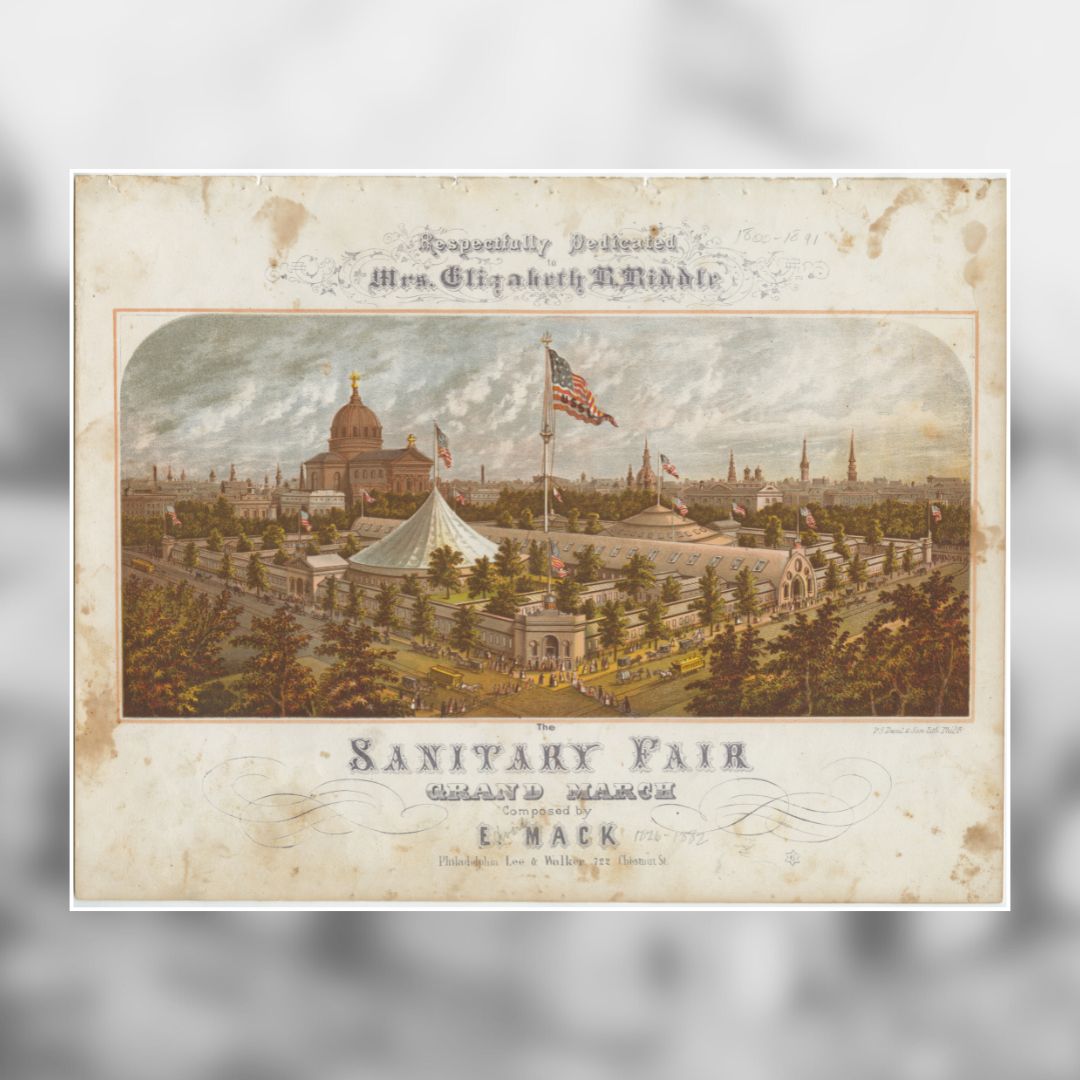
In 1864, Union League members helped lead Philadelphia’s Great Central Fair, a massive Sanitary Commission fundraiser held on Logan Square to improve conditions for Union soldiers and raise money for medical supplies. Featuring elaborate pavilions, nearly thirty themed departments, and unprecedented leadership roles for women, the fair raised over $1 million and became one of the most important civic events of the Civil War, laying groundwork for the city’s Centennial Exhibition in 1876.


MAP
League House Thumbnail
League House
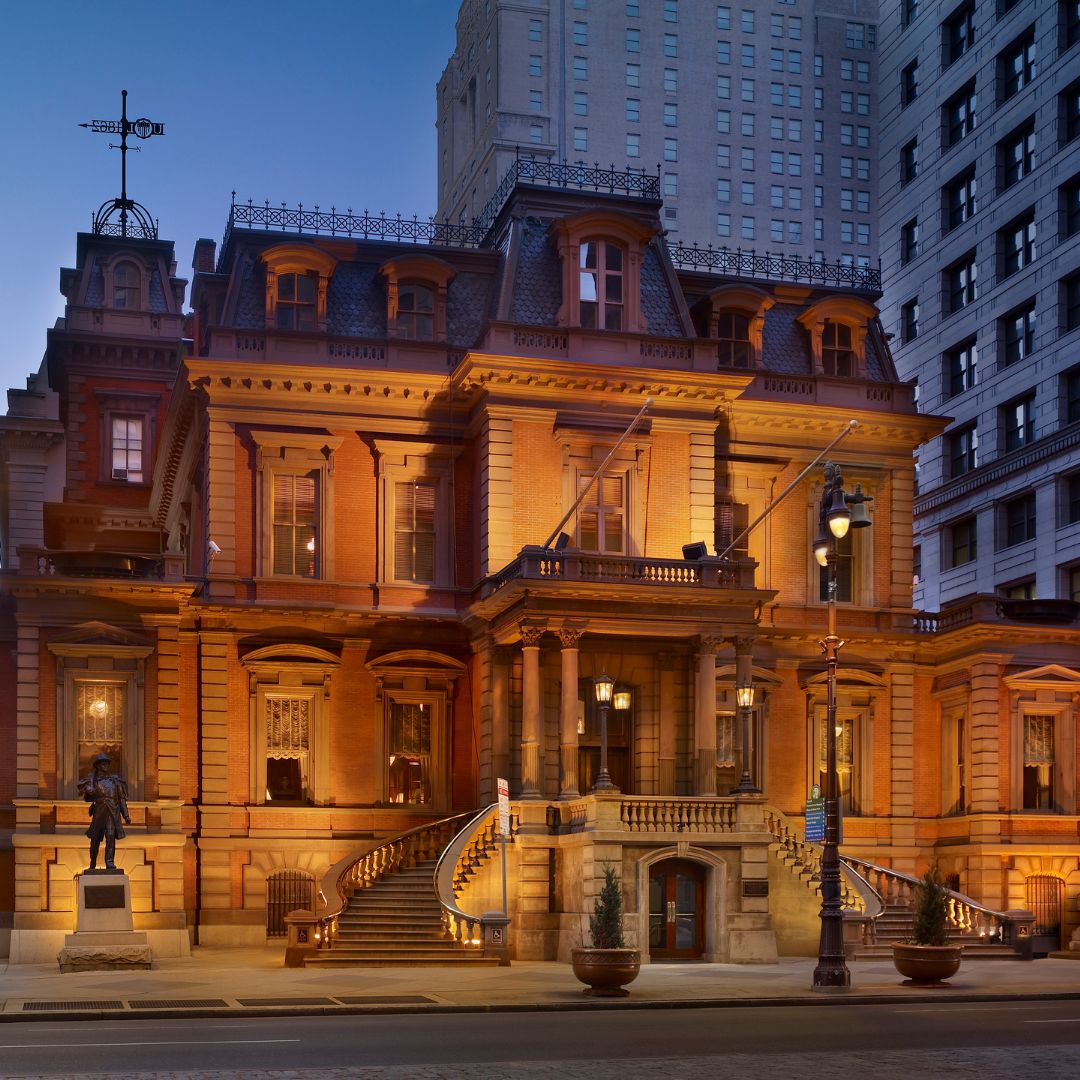
At Broad and Sansom Streets stands the Union League’s purpose-built clubhouse, begun in 1864 and opened in May 1865 after wartime shortages delayed construction and prevented Abraham Lincoln from attending as its honored guest. Designed by John Fraser and later expanded by Horace Trumbauer, the building grew into a full city block and has since welcomed presidents, diplomats, and national leaders, remaining a living symbol of the League’s enduring mission of patriotic civic leadership.


MAP

Path of Patriots CTA Featured Image

PATH OF PATRIOTS: A HISTORY

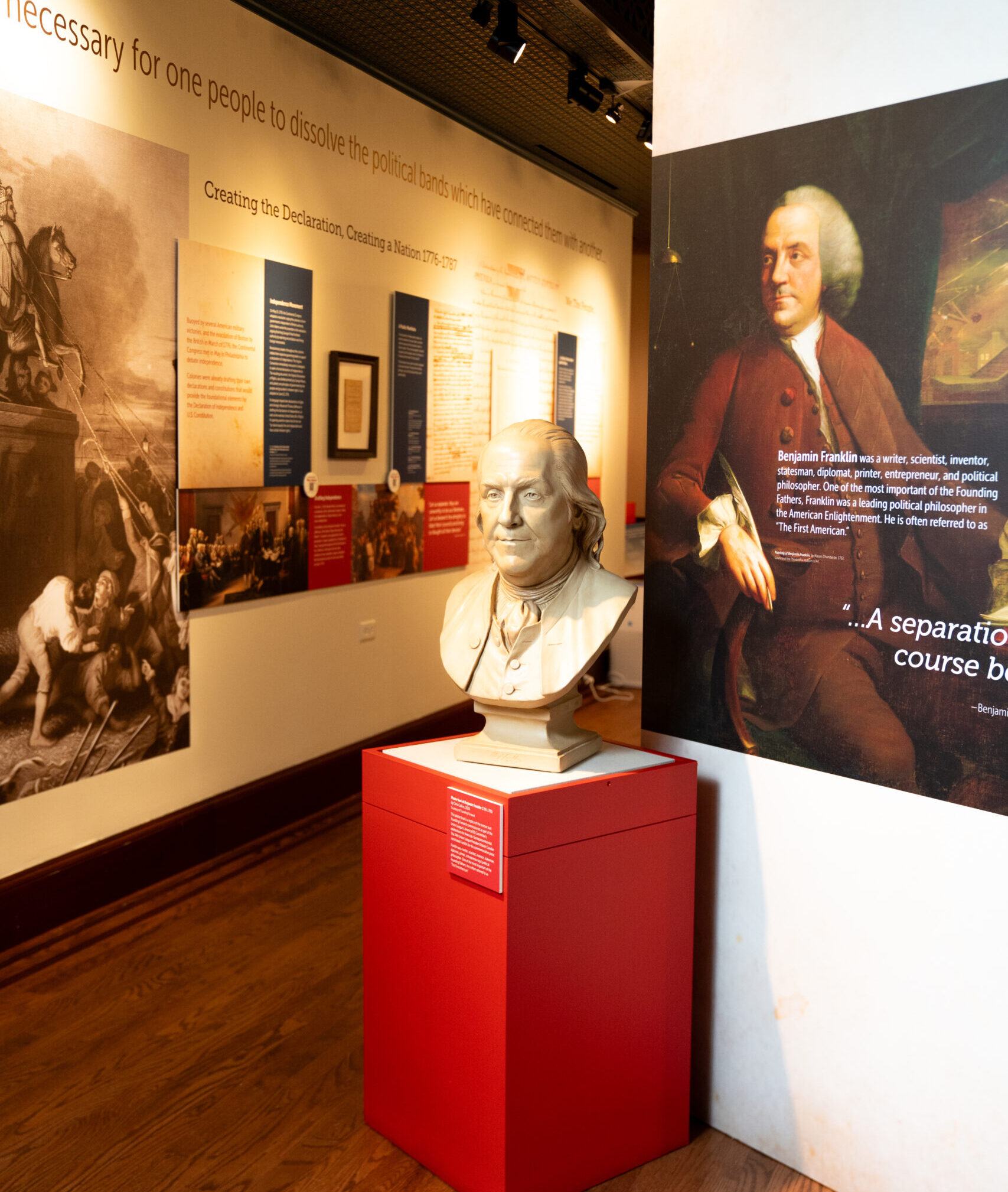
Please join us at Founding Forward’s newest exhibit.

PUBLIC HOURS:
Tuesday and Thursday, 3:00 to 6:00pm, and the second Saturday,
1:00 to 4:00pm. To visit during these hours, please ring the
doorbell at the street-level door on Broad Street.

MEMBER HOURS:
Monday through Friday, 9:00am to 6:00pm, and the second
Saturday, 1:00 to 4:00pm.

ADDRESS: 140 South Broad Street, Philadelphia, PA 19102

For more information, contact Founding Forward at info@foundingforward.org or call 215-587-5596.


EmploymentStaffLeague LeadershipPath of Patriots

©2025 The Union League of Philadelphia.

140 South Broad Street, Philadelphia, PA 19102 • 215-563-6500